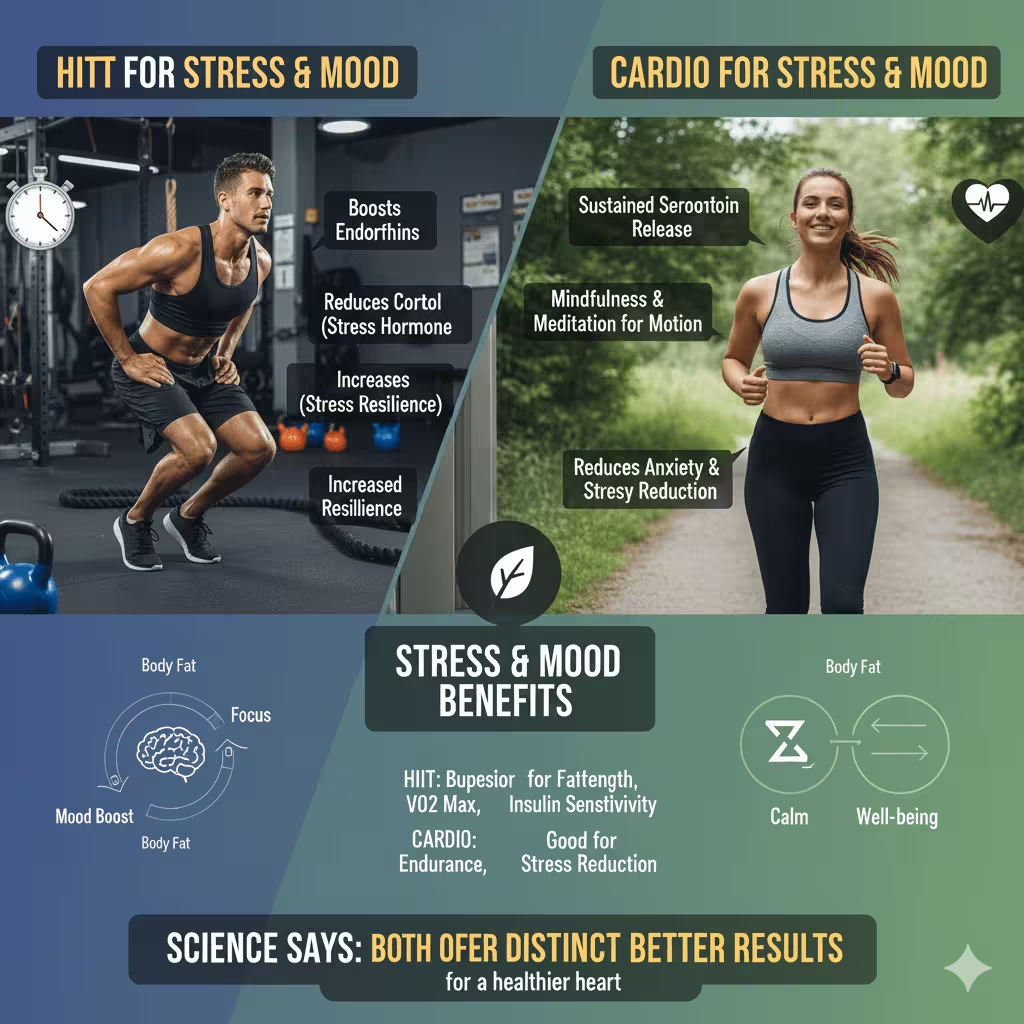

The cardiovascular system represents the cornerstone of human vitality, determining everything from daily energy levels to longevity potential. As awareness of heart health intensifies across demographics, the question of optimal exercise methodology has evolved beyond aesthetic concerns into legitimate wellness discussions. The debate surrounding HIIT vs traditional cardio extends far beyond caloric expenditure, delving into profound physiological adaptations that influence arterial function, cardiac output efficiency, and overall cardiovascular resilience. Understanding how these distinct training approaches affect your heart’s structural and functional capabilities empowers you to make evidence-based decisions aligned with long-term health objectives rather than fleeting fitness trends.
Understanding Cardiovascular Adaptations to Exercise
Your heart responds dynamically to exercise stimuli, undergoing remarkable structural and functional modifications based on training characteristics. These adaptations aren’t superficial—they represent fundamental changes in cardiac muscle architecture, vascular network density, and autonomic nervous system regulation. Traditional steady-state cardio and high-intensity interval training trigger overlapping yet distinct cardiovascular transformations, each offering unique advantages worth examining thoroughly.
The difference between HIIT and cardio manifests primarily through intensity patterns and subsequent physiological demands. Steady-state exercise maintains consistent moderate intensity, creating sustained cardiac work that builds aerobic capacity through volume accumulation. Conversely, interval protocols alternate between maximal cardiovascular stress and recovery periods, generating powerful adaptive signals through repeated exposure to near-threshold conditions. Both methodologies improve cardiovascular function, but through meaningfully different mechanisms that produce complementary benefits.
How HIIT vs Traditional Cardio Affects Cardiac Structure
Left Ventricular Remodeling
Your heart’s left ventricle—the chamber responsible for pumping oxygenated blood throughout your body—undergoes specific adaptations depending on exercise type. Traditional endurance cardio promotes eccentric cardiac hypertrophy, where the ventricular chamber enlarges to accommodate increased blood volume. This adaptation enhances stroke volume, allowing your heart to pump more blood per beat, thereby reducing resting heart rate and improving cardiovascular efficiency.
High-intensity interval training produces different but equally beneficial cardiac remodeling. HIIT sessions generate significant pressure loads during maximal efforts, stimulating modest concentric hypertrophy where ventricular walls thicken slightly while maintaining chamber size. This adaptation enhances contractile force, enabling more powerful contractions during demanding activities. Research indicates that combining both training types produces optimal cardiac morphology—adequate chamber size with sufficient wall thickness for robust pumping capacity.
Vascular Network Development
Capillary density—the microscopic blood vessel network supplying oxygen to tissues—increases substantially with consistent cardiovascular training. Traditional cardio excels at promoting widespread capillarization through prolonged moderate-intensity stimulus. Extended sessions trigger vascular endothelial growth factor release, stimulating new capillary formation that enhances oxygen delivery efficiency throughout your body.
Interval training generates comparable capillary adaptations despite shorter durations, primarily through intensified metabolic stress. The oxygen debt created during high-intensity intervals signals aggressive vascular development, particularly in working muscles. Studies demonstrate that both modalities effectively improve vascular function, with HIIT potentially offering time-efficient alternatives for busy professionals seeking maximum cardiovascular benefit per minute invested.
Examining Blood Pressure and Arterial Health
Hypertension affects approximately 47% of adults, representing a silent cardiovascular threat with profound health implications. Exercise serves as powerful non-pharmaceutical intervention for blood pressure management, with both cardio vs HIIT showing impressive efficacy in clinical research. Understanding how each approach influences arterial pressure helps optimize training selection based on individual cardiovascular profiles.
Steady-State Cardio for Hypertension Management
Traditional moderate-intensity cardio consistently demonstrates significant blood pressure reductions across diverse populations. Meta-analyses reveal that regular steady-state exercise reduces systolic pressure by 5-7 mmHg and diastolic pressure by 3-5 mmHg—modest numbers that translate into substantial cardiovascular risk reduction. These benefits emerge through multiple mechanisms including improved endothelial function, reduced sympathetic nervous system activity, and enhanced nitric oxide bioavailability promoting arterial relaxation.
The predictable, manageable intensity of traditional cardio makes it particularly suitable for individuals with existing hypertension or cardiovascular disease. Medical professionals frequently recommend moderate-intensity walking, cycling, or swimming as foundational interventions, as these activities provide cardiovascular benefits without excessive stress potentially contraindicated in compromised cardiac populations.
HIIT’s Surprising Cardiovascular Benefits
Despite concerns about intense exercise elevating blood pressure acutely, research reveals that properly structured interval training produces comparable or superior long-term blood pressure improvements compared to traditional methods. A comprehensive systematic review published in the Journal of the American College of Cardiology found HIIT reduced systolic blood pressure by an average of 6 mmHg—effects rivaling many pharmaceutical interventions.
The mechanisms underlying these benefits include enhanced arterial elasticity, improved baroreflex sensitivity regulating blood pressure responses, and favorable changes in autonomic balance. Importantly, HIIT protocols must be appropriately designed with adequate recovery intervals and progressive intensity increases, particularly for individuals with cardiovascular risk factors requiring medical clearance before initiating vigorous exercise programs.
Metabolic Health Markers and Cardiovascular Disease Risk
Beyond direct cardiac effects, both training modalities profoundly influence metabolic parameters that significantly impact cardiovascular disease trajectories. Lipid profiles, glucose metabolism, and inflammatory markers all respond favorably to structured exercise, with nuanced differences between approaches worth understanding.
Cholesterol and Lipid Panel Improvements
Traditional cardio demonstrates robust effects on lipid metabolism, particularly elevating HDL (beneficial) cholesterol while modestly reducing LDL and triglyceride levels. Extended moderate-intensity sessions activate lipoprotein lipase enzymes facilitating fat metabolism and favorable lipid profile shifts. Regular steady-state training can increase HDL by 5-10%, changes associated with meaningful cardiovascular protection.
High-intensity intervals produce comparable lipid improvements through different metabolic pathways. The substantial energy demands of best HIIT workout protocols deplete glycogen stores and activate hormone-sensitive lipase, mobilizing stored fat for oxidation during recovery periods. Research indicates HIIT may offer superior triglyceride reduction compared to moderate cardio—particularly relevant given triglycerides’ emerging recognition as independent cardiovascular risk factors.
Insulin Sensitivity and Glycemic Control
Perhaps most impressively, both HIIT vs traditional cardio dramatically improve insulin sensitivity and glucose regulation—critical factors given the strong cardiovascular disease correlation with metabolic dysfunction. Type 2 diabetes doubles cardiovascular disease risk, making exercise interventions targeting glucose metabolism exceptionally valuable for heart health.
Interval training demonstrates particularly powerful effects on insulin sensitivity, with studies showing single HIIT sessions improving glucose uptake for 24-72 hours post-exercise. This extended metabolic elevation creates cumulative benefits when sessions occur regularly throughout the week. Traditional cardio produces similar insulin sensitivity improvements through different mechanisms, primarily via increased glucose transporter expression and enhanced mitochondrial oxidative capacity.
Implementing Heart-Healthy Training Protocols
Cardio Intervals for Beginners
Individuals new to structured cardiovascular training should prioritize gradual progression over aggressive intensity. Initial cardio interval training for beginners might involve alternating three minutes of comfortable-pace walking with one minute at slightly elevated intensity, repeating for 20-30 minutes total. This gentle introduction builds cardiovascular capacity while familiarizing your body with intensity fluctuations without excessive stress.
HIIT running beginner protocols require particular caution regarding joint impact and cardiovascular load. Starting with walk-jog intervals—such as 30 seconds of easy jogging followed by 90 seconds of walking recovery—provides sufficient stimulus for adaptation while minimizing injury risk. As cardiovascular fitness improves over 4-8 weeks, gradually increase jogging intervals or decrease recovery periods based on perceived exertion and recovery quality.
Progressive Training Framework
- Foundation Phase (Weeks 1-4): Establish consistent moderate-intensity cardio 3-4 times weekly, building aerobic base and movement competency
- Introduction Phase (Weeks 5-8): Incorporate one interval session weekly while maintaining steady-state foundation, monitoring recovery between sessions
- Development Phase (Weeks 9-12): Progress to two interval sessions weekly with varied protocols, maintaining one longer steady-state session for aerobic preservation
- Optimization Phase (Week 13+): Balance three weekly cardiovascular sessions mixing HIIT, tempo work, and steady-state based on individual response and recovery capacity
The Role of Structured Programs in Cardiovascular Development
While independent training certainly benefits cardiovascular health, structured group environments often enhance adherence and progression. A fitness bootcamp setting provides professional programming that systematically develops cardiovascular capacity through varied intensities, movement patterns, and recovery protocols. The accountability and community support inherent in group training significantly improve long-term consistency—the most crucial variable determining cardiovascular health outcomes.
Professional instruction ensures proper intensity scaling, technique optimization, and appropriate progression that maximizes benefits while minimizing injury risk. For those seeking evidence-based approaches to cardiovascular training, understanding how different intensities affect caloric expenditure and metabolic responses provides valuable context for making informed training decisions aligned with personal health objectives.
Special Considerations for Different Populations
Cardiac Rehabilitation Contexts
Individuals recovering from cardiac events or managing diagnosed heart disease require medically supervised exercise progression. Traditional moderate-intensity cardio typically serves as the foundation for cardiac rehabilitation, with HIIT potentially introduced later under medical guidance. The American Heart Association acknowledges interval training’s benefits but emphasizes proper medical screening and progressive implementation for compromised cardiac populations.
Age-Related Cardiovascular Considerations
Cardiovascular system changes naturally occur with aging, including reduced maximum heart rate, decreased arterial elasticity, and diminished cardiac output capacity. Both training modalities benefit aging populations, though implementation requires age-appropriate modifications. Older adults often tolerate traditional cardio well, while HIIT protocols should emphasize work-to-rest ratios favoring adequate recovery—perhaps 1:3 or 1:4 ratios allowing complete recuperation between efforts.
Managing Existing Health Conditions
Hypertension, diabetes, obesity, and other metabolic conditions influence optimal exercise selection. Generally, both HIIT vs traditional cardio improve these conditions when properly implemented. However, individuals with multiple risk factors should obtain medical clearance before initiating vigorous exercise programs. Starting conservatively with moderate-intensity cardio, then gradually incorporating intervals as fitness improves, represents a prudent approach for those with significant cardiovascular risk profiles.
Synthesizing Evidence for Optimal Cardiovascular Health
The scientific literature overwhelmingly demonstrates that both traditional steady-state cardio and high-intensity interval training confer substantial cardiovascular benefits. Rather than viewing these approaches as mutually exclusive competitors, contemporary exercise science recognizes them as complementary tools addressing different aspects of cardiovascular fitness.
Traditional cardio excels at building aerobic base, improving fat oxidation efficiency, and providing manageable intensity suitable for extended durations and various fitness levels. HIIT offers time-efficient cardiovascular stimulus, powerful metabolic adaptations, and specific improvements in maximal cardiac output and VO2max—the gold standard measure of cardiovascular fitness.
The optimal approach for most individuals involves strategic integration of both modalities throughout training cycles. This balanced strategy capitalizes on each method’s unique benefits while preventing overtraining and maintaining psychological engagement through varied stimulus. Your cardiovascular system responds favorably to diverse challenges, making periodized training incorporating multiple intensities superior to exclusive reliance on single methodologies.
Ultimately, the best exercise for heart health remains the one you’ll consistently perform over months and years. Sustainability trumps marginal physiological advantages—a moderate cardio routine you genuinely enjoy and maintain indefinitely surpasses the theoretically optimal HIIT protocol you’ll abandon after several weeks. Prioritize finding cardiovascular activities that align with your preferences, schedule, and physical capabilities, then commit to regular implementation that transforms exercise from temporary intervention into permanent lifestyle foundation supporting lifelong cardiovascular vitality.