
Introduction
Denim Tears Clothing is not just another streetwear label competing for hype and resale value. It’s something deeper, heavier, and far more meaningful. At its core, Denim Tears is fashion used as a language—one that speaks about history, pain, pride, and resilience. When you see someone wearing Denim Tears, you’re not just looking at a hoodie or a pair of jeans; you’re witnessing a wearable story that connects past and present in a way few brands dare to attempt.
In today’s fashion world, where trends change faster than social media feeds refresh, Denim Tears stands still with purpose. It refuses to be shallow. Instead of chasing fast fashion cycles, the brand asks uncomfortable questions: Who made this? What does it represent? Why does it matter? These questions are woven—sometimes literally—into every piece of clothing. That’s why Denim Tears resonates so deeply with people who see fashion as more than aesthetics.
The brand has become a symbol of cultural awareness in streetwear. While many labels borrow from Black culture, Denim Tears centers it unapologetically. It doesn’t dilute its message to be more marketable. Instead, it leans into authenticity, which ironically makes it even more powerful and desirable. Wearing Denim Tears feels like participating in a conversation rather than following a trend. What makes Denim Tears Clothing especially unique is how it balances storytelling with wearability. These aren’t museum pieces locked behind glass. They’re meant to be worn on the street, in everyday life, sparking curiosity and dialogue wherever they go. In that sense, Denim Tears doesn’t just dress bodies—it dresses consciousness.
The Origins of Denim Tears: Where Art Meets Identity
Denim Tears was founded by Tremaine Emory, a creative force whose influence stretches far beyond a single brand. Before Denim Tears became a household name in streetwear circles, Emory had already built a reputation working behind the scenes with some of the biggest names in fashion and music. But Denim Tears wasn’t about adding another logo to his résumé—it was personal. The brand emerged from Emory’s desire to confront history through clothing. He recognized that denim itself carries a complicated legacy, especially in America. Denim is tied to labor, slavery, and exploitation, yet it’s also a global symbol of freedom and self-expression. Denim Tears exists in that tension. It doesn’t shy away from uncomfortable truths; it highlights them.
What’s fascinating about the origin of Denim Tears is that it wasn’t born from a traditional business plan. It was born from reflection, research, and emotional honesty. Emory treated the brand like an art project with real-world consequences. Each release feels intentional, almost ceremonial, rather than rushed or opportunistic. This approach sets Denim Tears apart from typical streetwear startups. Instead of asking, What will sell? the brand asks, What needs to be said? And surprisingly—or maybe not—that honesty is exactly what makes people connect with it. Denim Tears didn’t grow because of hype alone; it grew because people felt seen and represented through its designs.
The Meaning Behind the Name “Denim Tears”
The name “Denim Tears” itself is layered with meaning, and understanding it gives you a deeper appreciation for the brand. Denim, as a fabric, is often associated with durability and toughness. Tears, on the other hand, represent pain, loss, and emotion. Putting those two words together creates a powerful contradiction—strength and vulnerability existing side by side. Denim Tears symbolizes the emotional weight carried by Black history in America. Denim was worn by enslaved people and laborers, often under brutal conditions. The “tears” represent the suffering, resilience, and stories that were never fully acknowledged. By naming the brand Denim Tears, Emory forces people to confront that history every time they say the name.
It’s not a catchy phrase meant to sound edgy. It’s intentional and uncomfortable, which is exactly the point. In a fashion industry that often glosses over the origins of trends and materials, Denim Tears demands accountability. The name itself becomes a reminder that clothing is never neutral—it carries the fingerprints of history. At the same time, Denim Tears isn’t about despair. The tears also symbolize healing. Acknowledging pain is the first step toward growth, and the brand reflects that journey. It transforms historical grief into modern pride, showing that remembering the past doesn’t weaken us—it strengthens us.
Denim Tears and Black Cultural Storytelling
One of the most powerful aspects of Denim Tears Clothing is its commitment to storytelling. This isn’t storytelling in a marketing sense; it’s historical, cultural, and deeply human. Every collection feels like a chapter in a larger narrative about Black identity, survival, and creativity. Denim Tears uses clothing as an archive. Instead of books or museums, it places history on denim jackets, sweatshirts, and jeans. Symbols like the cotton wreath aren’t random graphics—they’re visual metaphors that reference slavery, agriculture, and economic exploitation while reclaiming those symbols with dignity.
What makes this storytelling so effective is its subtlety. Denim Tears doesn’t explain everything outright. It invites curiosity. Someone might ask, What does that symbol mean? And suddenly, a conversation begins. In this way, the brand turns everyday outfits into educational tools without feeling preachy. This approach has helped Denim Tears gain respect far beyond streetwear circles. Artists, historians, and cultural critics have praised the brand for its integrity. It proves that fashion can be both stylish and intellectually engaging. Denim Tears shows that clothing can honor ancestors while inspiring future generations.
Signature Aesthetic of Denim Tears Clothing
Visually, Denim Tears Clothing is instantly recognizable, yet never overdesigned. The brand’s aesthetic is clean, intentional, and emotionally charged. It avoids flashy logos in favor of symbols that carry weight. This minimalism allows the message to take center stage rather than getting lost in visual noise. The most iconic element is the cotton wreath motif. At first glance, it might look decorative, but its meaning runs deep. Cotton represents both the foundation of American wealth and the suffering of enslaved people who cultivated it. By turning cotton into a wreath—a symbol of honor and remembrance—Denim Tears reclaims that painful history.
Color palettes are often muted: indigo blues, earthy tones, off-whites, and blacks. These colors feel grounded, almost archival, reinforcing the idea that Denim Tears is rooted in history rather than trends. When brighter colors appear, they feel purposeful rather than decorative. The silhouettes are classic and wearable. Denim Tears doesn’t rely on extreme cuts or exaggerated shapes. Instead, it focuses on timeless pieces that can live in your wardrobe for years. This timelessness reinforces the brand’s message: history doesn’t expire, and neither should the clothing that tells its story.
Denim Tears Denim: More Than Just Jeans
Denim Tears denim pieces are arguably the heart of the brand. Jeans, jackets, and denim shirts are treated like canvases rather than commodities. Each piece feels intentional, almost sacred, as if it carries a responsibility to honor the past while existing in the present. Denim Tears Hoodie The craftsmanship is evident in the details. From fabric selection to stitching, Denim Tears denim feels substantial. It’s not flimsy or mass-produced in spirit, even if some pieces are widely distributed. The brand respects denim as a material with history, and that respect shows in how the garments age over time.
What truly sets Denim Tears denim apart is its symbolism. The cotton wreath prints on jeans are bold yet restrained. They don’t scream for attention, but they’re impossible to ignore once noticed. Wearing them feels like carrying a quiet statement—one that doesn’t need explanation but rewards those who seek it. These denim pieces often become emotional favorites in people’s wardrobes. They’re not just jeans you wear and forget. They become conversation starters, memory holders, and expressions of identity. That emotional connection is something most brands can’t manufacture, but Denim Tears achieves it naturally.
T-Shirts, Hoodies, and Everyday Statements
While denim may be the foundation, Denim Tears’ T-shirts and hoodies are what bring the brand into everyday life. These pieces make the message accessible without diluting it. You don’t need a special occasion to wear Denim Tears—you can integrate it into your daily routine. The T-shirts often feature powerful graphics, historical references, or text that encourages reflection. They’re simple, but never empty. Each design feels like it has something to say, even if it says it quietly. The fabric quality adds to the experience, making the shirts feel substantial rather than disposable.
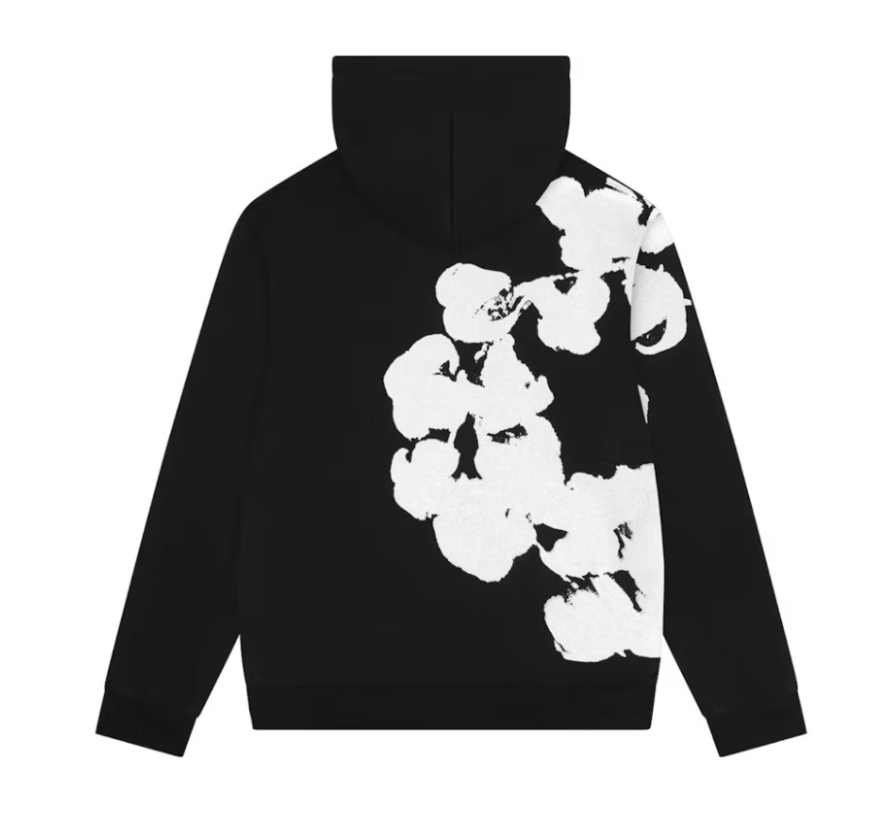
Hoodies from Denim Tears are especially popular, and for good reason. They combine comfort with meaning, which is a rare balance. Pulling on a Denim Tears hoodie feels like wrapping yourself in warmth and purpose at the same time. It’s fashion that comforts both physically and emotionally. These everyday pieces are often the entry point for new fans of the brand. They’re wearable, versatile, and powerful without being overwhelming. Once someone owns a Denim Tears T-shirt or hoodie, it’s easy to understand why they come back for more.
Denim Tears in Streetwear Culture
Streetwear culture thrives on authenticity, and that’s exactly why Denim Tears holds such a respected position within it. While many streetwear brands focus on hype cycles and exclusivity, Denim Tears focuses on meaning. Ironically, that depth is what makes it so sought after. In a space often criticized for being superficial, Denim Tears feels grounded. It doesn’t rely on shock value or gimmicks. Instead, it builds loyalty through trust and respect. People who wear Denim Tears often feel like they’re part of something bigger than a trend.
The brand also challenges what streetwear can be. It proves that streetwear doesn’t have to be loud to be impactful. It can be thoughtful, reflective, and even educational. Denim Tears expands the definition of streetwear by showing that culture and consciousness belong in the same space.
Celebrity Influence and Pop Culture Impact
Celebrities have played a role in amplifying Denim Tears Clothing, but not in the typical influencer-driven way. Artists, musicians, and creatives who wear Denim Tears often do so because they genuinely connect with its message. This authenticity makes the exposure feel organic rather than forced. Seeing Denim Tears worn by influential figures helps normalize conversations about history and identity in mainstream culture. It shows that acknowledging the past isn’t niche or academic—it’s relevant, stylish, and necessary. Pop culture thrives on symbols, and Denim Tears has become one. Its imagery appears in music videos, interviews, and public appearances, quietly reinforcing its message. Over time, this visibility has helped cement Denim Tears as more than a brand—it’s a cultural marker.
Quality, Materials, and Sustainability Approach
Beyond its symbolism, Denim Tears Clothing stands out for its quality. The brand doesn’t cut corners when it comes to materials. Fabrics feel durable, well-constructed, and designed to last, which aligns with its philosophy of timelessness. Sustainability isn’t always loudly advertised, but it’s embedded in the brand’s approach. By creating pieces meant to be worn for years rather than seasons, Denim Tears naturally resists fast fashion culture. Longevity becomes a form of sustainability. This focus on quality also reinforces the emotional value of the clothing. When something lasts, it becomes part of your story. Denim Tears pieces age with you, gaining character and meaning over time rather than losing relevance.
Why Denim Tears Clothing Is So Expensive
One of the most common questions surrounding Denim Tears Clothing is its price. At first glance, the cost might seem high compared to typical streetwear. But the price reflects more than fabric and stitching—it reflects intention, research, and cultural responsibility. You’re not just paying for a logo. You’re paying for storytelling, craftsmanship, and ethical consideration. Denim Tears doesn’t mass-produce meaningless designs. Each piece carries weight, and that weight has value.
Additionally, limited releases and high-quality materials contribute to the price. But for many, the cost feels justified because the clothing offers something rare: depth. In a market flooded with empty hype, Denim Tears offers substance, and substance is priceless.
Conclusion
Denim Tears Clothing is more than fashion—it’s a statement, a lesson, and a legacy. It challenges wearers to think, reflect, and engage with history through what they wear. In a world where clothing is often disposable, Denim Tears offers something lasting: meaning. By blending craftsmanship, storytelling, and cultural honesty, Denim Tears has carved out a space that feels both intimate and universal. It proves that fashion doesn’t have to choose between style and substance. With Denim Tears, you get both. Shop Now
FAQs
1. What does the cotton wreath symbolize in Denim Tears Clothing?
It represents the history of cotton production tied to slavery, transformed into a symbol of remembrance and dignity.
2. Is Denim Tears considered luxury or streetwear?
It exists between both worlds, combining streetwear accessibility with luxury-level storytelling and quality.
3. Who founded Denim Tears?
Denim Tears was founded by Tremaine Emory, a creative known for blending fashion with cultural commentary.
4. Why is Denim Tears so popular?
Its popularity comes from authenticity, powerful storytelling, and meaningful design rather than hype alone.
5. Is Denim Tears Clothing worth the price?
For those who value quality, longevity, and cultural depth, many believe it’s worth every dollar.