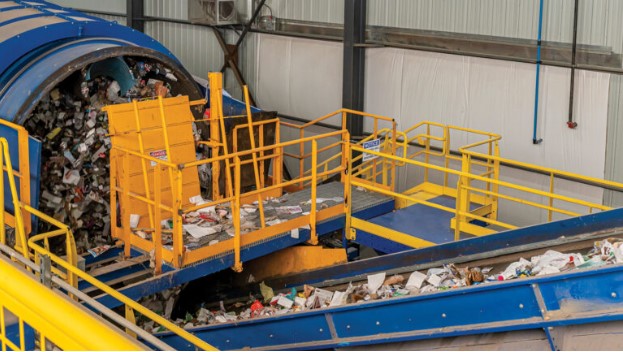

A trommel screen has become one of the most efficient tools for material sorting, waste processing, and aggregate separation in modern recycling and construction operations. Its rotating cylindrical drum may look simple, but the cost-saving advantages it delivers are substantial. From reducing manual labor to improving throughput and minimizing downtime, businesses across waste management, landscaping, construction, and composting rely on trommel screen technology to streamline their workflow and lower overall operational expenses. Understanding how these machines reduce costs helps operators decide whether upgrading their sorting system is the right move.
1. Automated Sorting Minimizes Manual Labor
One of the biggest expenses in material handling is labor. Manual sorting requires large teams, consistent supervision, and constant training. A trommel screen eliminates most of this by automating the separation process. As materials feed into the rotating drum, the machine naturally sorts them by size. Smaller particles fall through perforations, while larger materials continue moving toward the end of the drum. This automatic movement reduces the need for workers to physically handle, separate, and repeat tasks that were once manual. With fewer people required on the sorting line, companies reduce labor hours, payroll costs, and training expenses. The consistency of machine-based sorting also lowers the need for rework or quality checks, saving even more time.
2. High Throughput Boosts Productivity
A trommel’s rotational efficiency allows it to process large volumes of material in a short timeframe. Whether used for compost, soil, gravel, wood chips, or mixed waste, its capacity is significantly higher than what human labor alone can accomplish. High throughput means more material processed per hour, which translates to higher production without increasing workforce size. Faster processing times also reduce bottlenecks that could otherwise slow down operations. For businesses paid by volume—such as recycling centers, mining operations, and compost facilities—this increased productivity directly enhances revenue potential while keeping operating costs stable.
3. Reduced Contamination Leads to Higher-Quality Output
Contamination in processed materials can lead to rejected batches, additional cleaning steps, or reduced market value. Trommel screens excel in producing consistently clean, uniformly sized output with lower contamination levels. The rotating action helps shed excess dirt, debris, and undersized materials, so the final product is more refined. Cleaner end-material means fewer resources spent on secondary sorting, less waste, and higher resale value for finished compost, aggregate, or recycled material. This improvement in product quality further reduces operational waste, maximizes profit margins, and lowers the cost of reprocessing.
4. Lower Energy Consumption Compared to Other Screening Systems
Compared to vibrating screens or intensive manual sorting systems, trommel screens use relatively low energy. Their simple rotating mechanism is highly efficient, allowing them to operate for long hours without consuming excessive power. This lower energy usage reduces electricity costs over time—especially beneficial for facilities operating multiple shifts. In addition, trommel screens generate less noise and mechanical stress, lowering maintenance frequency and extending the life of surrounding equipment.
5. Durable Construction Minimizes Maintenance Costs
Trommel screens are designed for rugged environments, often using heavy-duty steel components, abrasion-resistant screens, and reinforced frames. Their durability means fewer breakdowns, reduced downtime, and lower repair expenses. Regular maintenance is straightforward, typically involving simple tasks like lubrication, screen cleaning, or drum inspection. Many trommel screens also offer easily replaceable screening sections, reducing repair time and preventing extended shutdowns. Because the machine has fewer moving parts than many other screening systems, long-term maintenance costs are significantly lower.
6. Versatility Reduces the Need for Multiple Machines
A trommel screen can handle a wide variety of materials—soil, compost, gravel, green waste, timber offcuts, C&D debris, and more. This versatility eliminates the need to invest in multiple specialized machines. One trommel can perform the work of several devices, lowering capital expenditure and minimizing storage and maintenance requirements. Being able to switch between multiple materials without major reconfiguration also saves valuable operational time.
7. Improved Workflow and Reduced Handling Costs
The streamlined material flow created by a trommel screen minimizes the number of touchpoints in processing. Materials move through the drum in one continuous path, reducing manual handling, equipment transfers, and unnecessary machine hours. This reduction in handling lowers fuel use for loaders or conveyors, reduces worker fatigue, and cuts down the risk of workplace injuries, which can be costly for any business. A more efficient workflow also means that facilities can operate with fewer machines running simultaneously, lowering wear and tear and extending the lifespan of equipment.
Conclusion
A trommel screen delivers powerful cost-saving benefits by reducing labor needs, increasing throughput, lowering contamination rates, and minimizing maintenance and energy expenses. Its durable design and ability to handle diverse materials make it a highly efficient choice for recycling centers, compost operations, and construction sites looking to optimize operations and boost profitability.
For businesses looking to enhance both efficiency and profitability, integrating this equipment and pairing it with sustainable systems—such as skip bin recycling—creates a strong, future-ready operational model.