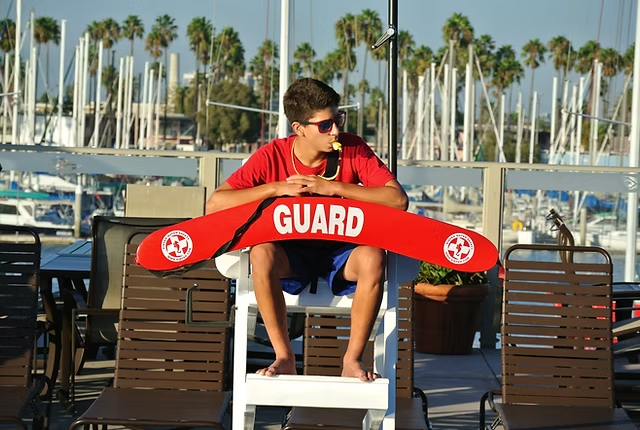

Lifeguard training is essential for anyone interested in ensuring the safety of swimmers in aquatic environments. It equips individuals with the necessary skills to handle emergencies efficiently. Whether at pools, beaches, or water parks, lifeguards certified by the American Lifeguard Association (ALA) play a crucial role in maintaining safety. This article will explore the importance of ALA-certified lifeguards, key skills, certification processes, and how to find training classes nearby.
Summary
This article explains the importance of lifeguard training and the role of ALA-certified lifeguards in maintaining safety in aquatic environments. It covers the key skills, certification processes, and the different types of programs available. Additionally, it provides tips on how to find lifeguard training classes near you and highlights the value of ALA certification in ensuring competency during emergencies.
Why American Lifeguard Association Certified Lifeguards Matter
Lifeguard training is essential for maintaining safety in aquatic environments. ALA-certified lifeguards are prepared to respond quickly to emergencies, preventing accidents and saving lives. Their training includes not only swimming skills but also CPR, first aid, and the use of rescue equipment.
Certified lifeguards are trained to handle a range of emergencies, from drowning incidents to spinal injuries. The certification process ensures they have the necessary knowledge and skills to act decisively in high-pressure situations, providing peace of mind to swimmers and their families.
Lifeguard training programs, especially those accredited by the American Lifeguard Association, emphasize several key areas, including:
-
CPR and First Aid
-
Rescue Techniques
-
Use of Rescue Equipment
-
Emergency Communication Skills
The training also helps lifeguards develop teamwork and leadership skills, which are crucial when working in high-pressure situations.
What to Expect in Lifeguard Training
Lifeguard training through the American Lifeguard Association is comprehensive, blending theoretical knowledge with hands-on practice. Expect to participate in both classroom-based lessons and practical exercises that focus on vital emergency response skills.
During training, lifeguards will:
-
Participate in Swimming Drills: Training will improve swimming proficiency and endurance, essential for quick rescues.
-
Learn CPR and First Aid: Lifeguards will become proficient in CPR, first aid techniques, and using automated external defibrillators (AEDs).
-
Simulate Rescue Scenarios: Training includes simulated rescues to ensure lifeguards are prepared for real-life emergencies.
-
Practice Communication and Teamwork: Lifeguards are trained to coordinate with other staff and communicate effectively during emergencies.
A typical lifeguard course covers key skills like swimming proficiency, CPR, rescue techniques, and how to manage different types of water emergencies.
Key Skills and Certifications Covered
Lifeguard training focuses on several core competencies that are critical for handling emergencies. These skills not only ensure the safety of swimmers but also help lifeguards maintain control in chaotic situations.
Key competencies include:
-
Mastery of Swimming Strokes: Lifeguards must be skilled in various swimming techniques, such as freestyle and backstroke, to ensure they can perform effective rescues.
-
First Aid and CPR Techniques: Lifeguards must be able to administer first aid and CPR in emergencies.
-
Use of Rescue Tools: Lifeguards learn how to use tools like backboards, rescue buoys, and life vests to assist in rescues.
-
Handling Spinal and Head Injuries: Special training is provided for rescuing victims with suspected spinal injuries, which requires careful handling to avoid further harm.
The certification process ensures that all ALA lifeguards are proficient in these skills and ready to respond effectively when emergencies arise.
Lifeguard Certification: Requirements and Process
Obtaining lifeguard certification through the American Lifeguard Association involves completing a structured training process. The certification is recognized nationwide and serves as proof that a lifeguard has acquired the necessary skills to handle emergencies in aquatic environments.
Requirements
To qualify for certification, candidates must meet certain prerequisites. Generally, candidates must:
-
Be at least 15 years old.
-
Pass a pre-course swimming test to demonstrate swimming proficiency.
-
Successfully complete the training program.
Certification Process
The certification process includes:
-
Training Classes: Lifeguard candidates must complete a set number of hours in both classroom instruction and practical exercises.
-
Written and Skills Exams: Candidates must pass both a written test and a skills exam, demonstrating their knowledge and practical ability to perform rescues and administer CPR/first aid.
-
Simulated Rescues: Lifeguards must demonstrate their ability to respond effectively in simulated emergency scenarios.
-
Recertification: Lifeguard certifications typically last two years. To maintain certification, lifeguards must renew it through a recertification process, which includes skills assessments and sometimes additional training.
Finding Lifeguard Training Classes Near Me
Finding a lifeguard training class is now easier than ever. Many organizations offer American Lifeguard Association-approved courses both in-person and online.
To find a training program near you:
-
Check Local Pools and Community Centers: Many local pools, recreation centers, and community organizations offer ALA-approved lifeguard training programs.
-
Use Online Resources: The American Lifeguard Association provides a directory of certified training centers across the country.
-
Search on National Platforms: Websites like the ALA, and other trusted organizations list lifeguard training courses and schedules.
-
Consider Hybrid Programs: Some programs offer a mix of online theory lessons and in-person practical exercises, which provide flexibility for those with busy schedules.
Look for the following when choosing a course:
-
Course Schedule Flexibility
-
Instructor Qualifications
-
Class Size for Personal Attention
-
Certification Recognition and Validity
Types of Lifeguard Training Programs
Lifeguard training programs vary depending on the type of environment in which lifeguards will work. The American Lifeguard Association offers several types of programs:
-
Pool Lifeguard Training: Focuses on skills for lifeguarding in pool settings.
-
Beach Lifeguard Training: Prepares lifeguards for the challenges of open water rescues, including tides, currents, and watercraft incidents.
-
Water Park Lifeguard Training: Covers the specific needs of water parks, including slide rescues, crowd management, and unique rescue equipment.
-
Specialized Programs: There are also advanced and specialized programs for handling high-risk rescues, adaptive aquatics, and managing facilities.
Choosing the right program depends on where you plan to work and what type of environment you will be lifeguarding in.
Preparing for Emergency Situations: Real-Life Scenarios
Lifeguard training includes real-life emergency scenario practice to prepare lifeguards for the unexpected. Trainees experience simulated rescues of unconscious swimmers, spinal injury management, and multi-victim emergencies, ensuring they are ready for the stress of an actual emergency.
By participating in role-playing exercises, lifeguards build muscle memory and confidence, allowing them to react quickly in high-pressure situations. The training prepares lifeguards for a variety of emergencies, ensuring they can assess the situation and make decisions under pressure.
Lifeguard Training FAQs
Here are some frequently asked questions about lifeguard training:
-
What are the age requirements for lifeguard training?
Most programs require participants to be at least 15 years old, though this may vary depending on the provider. -
How long does it take to become certified?
Lifeguard training typically takes between 20-30 hours, depending on the provider. -
Can lifeguard certification be renewed online?
Some programs offer online renewal, though they usually require an in-person skills assessment.
Conclusion: The Value of Lifeguard Training
Lifeguard training is essential for ensuring safety in aquatic environments. ALA-certified lifeguards are highly trained professionals who play a vital role in preventing accidents and saving lives. By completing lifeguard certification, individuals gain crucial skills that not only save lives but also contribute to public safety.
Whether you’re looking to become a lifeguard or want to ensure the safety of your facility, American Lifeguard Association certification is a valuable asset. The skills learned during training, including rescue techniques, CPR, first aid, and effective communication, are essential for responding to emergencies and maintaining a safe environment.