
Creating a professional LinkedIn profile is more than just filling in your work history. It is about building a personal brand that highlights your skills, experience, and expertise. A strong profile can help you connect with potential employers, clients, and collaborators while increasing your visibility in your industry. In this guide, we will explain everything you need to know about creating a LinkedIn profile that stands out and gets noticed.
Why a Professional LinkedIn Profile Is Important
LinkedIn is the world’s largest professional networking platform, often the first place recruiters and business professionals look when searching for talent. A well-crafted LinkedIn profile demonstrates credibility and professionalism. By showcasing your achievements, skills, and experience, you can attract opportunities that might not be available through traditional job search methods. A professional LinkedIn profile also allows you to network effectively, build relationships, and establish yourself as an expert in your field.
Choosing the Right Profile Photo
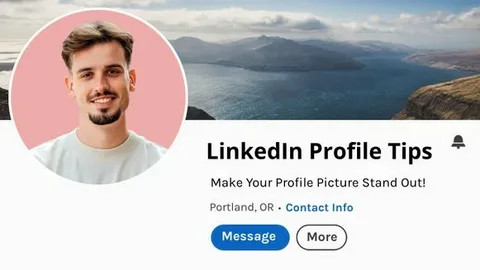
The first impression of your LinkedIn profile comes from your profile photo. It is important to choose a clear, professional image where you appear approachable and confident. Avoid casual photos or selfies, and ensure that the background is clean and simple. Your profile photo should reflect the professional image you want to convey. People are more likely to connect with and remember profiles that include a high-quality, professional photo.
Crafting a Compelling Headline
Your LinkedIn headline is one of the most critical parts of your profile. It appears right under your name and is often the first thing people notice. A compelling headline should summarize who you are, what you do, and what value you bring. Instead of just listing your job title, highlight your expertise or industry focus. For example, instead of writing “Marketing Manager,” you could write “Marketing Manager Helping Companies Increase Engagement and Revenue.” This approach makes your profile more engaging and improves search visibility on LinkedIn.
Writing an Engaging Summary
The About section, or summary, is your chance to tell your professional story. A strong summary goes beyond listing skills and responsibilities. It should explain your career journey, accomplishments, and motivation. Use easy, conversational language that is still professional. Start with a brief introduction, mention your experience, and highlight your key achievements. Include industry-specific keywords naturally, as this helps your profile appear in relevant searches. A well-written summary makes your profile memorable and encourages others to connect with you.
Highlighting Your Experience
The Experience section is where you showcase your work history and accomplishments. Focus on achievements rather than just responsibilities. Describe your impact in each role and quantify your successes. For example, instead of saying “Managed a sales team,” say “Managed a sales team of 10 and increased regional revenue by 20% in one year.” This demonstrates tangible results and makes your profile stand out. Use clear, simple language and avoid jargon that might confuse readers.
Showcasing Skills and Endorsements
Skills are vital for demonstrating your expertise. Add skills relevant to your industry and career goals. Endorsements from colleagues, clients, or supervisors further strengthen credibility. The more endorsements you have, the more trustworthy your profile appears. Skills and endorsements also help your profile rank higher in LinkedIn searches and show visitors that you are recognized for your abilities.
Requesting Recommendations
Recommendations are personal testimonials that speak to your professionalism and capabilities. Include several recommendations that highlight your strengths. When requesting a recommendation, be specific about what you would like the person to focus on. Genuine recommendations add authenticity and build trust with potential employers or collaborators. They provide social proof that you are skilled, reliable, and capable.
Including Education and Certifications
Your educational background and certifications demonstrate qualifications and expertise. List your degrees, courses, and relevant certifications. This section adds credibility and shows a commitment to professional growth. Including certifications can also improve your profile’s search visibility. Make sure your education and certifications are accurate and up to date.
Engaging With Your Network
A professional LinkedIn profile is not complete without activity. Engaging with your network through posts, comments, and shares helps you build relationships and stay visible. Share valuable content related to your industry, offer insights, and participate in discussions. This shows that you are active and knowledgeable, making your profile more attractive to connections. Regular engagement increases your chances of being noticed by recruiters and industry professionals.
Optimizing Your Profile for Search
LinkedIn is also a search engine. Using keywords strategically in your headline, summary, and experience sections improves profile visibility. Think about terms recruiters or clients might use to find someone with your skills and experience. Use these terms naturally throughout your profile. Avoid keyword stuffing. Focus on clear, informative language that incorporates important terms in an organic way.
Avoiding Common Mistakes
Many LinkedIn profiles fail to get noticed due to simple mistakes. Common issues include incomplete profiles, outdated information, generic headlines, or lack of a profile photo. Avoid clichés like “hardworking” or “team player” without providing evidence. Make sure your profile is complete, accurate, and professional. Regularly update your profile to reflect new experiences, skills, or achievements. A polished, error-free profile demonstrates attention to detail and professionalism.
Learning From Professional LinkedIn Profiles
Study successful profiles in your industry to improve your own. Observe how others structure their headlines, summaries, and experience sections. Note what makes their profiles engaging and memorable. Use these insights to enhance your own profile while maintaining originality. Learning from real examples helps you understand what works and ensures your profile aligns with professional standards.
Conclusion
Creating a professional LinkedIn profile that gets noticed requires careful planning and attention to detail. From choosing the right photo to crafting an engaging headline and summary, each element plays a vital role. Highlight your achievements, include relevant skills and certifications, and actively engage with your network. By optimizing your profile for search and avoiding common mistakes, you can increase your visibility and attract valuable opportunities. A professional LinkedIn profile is not just a digital resume; it is a powerful tool for building your personal brand, connecting with industry professionals, and advancing your career.