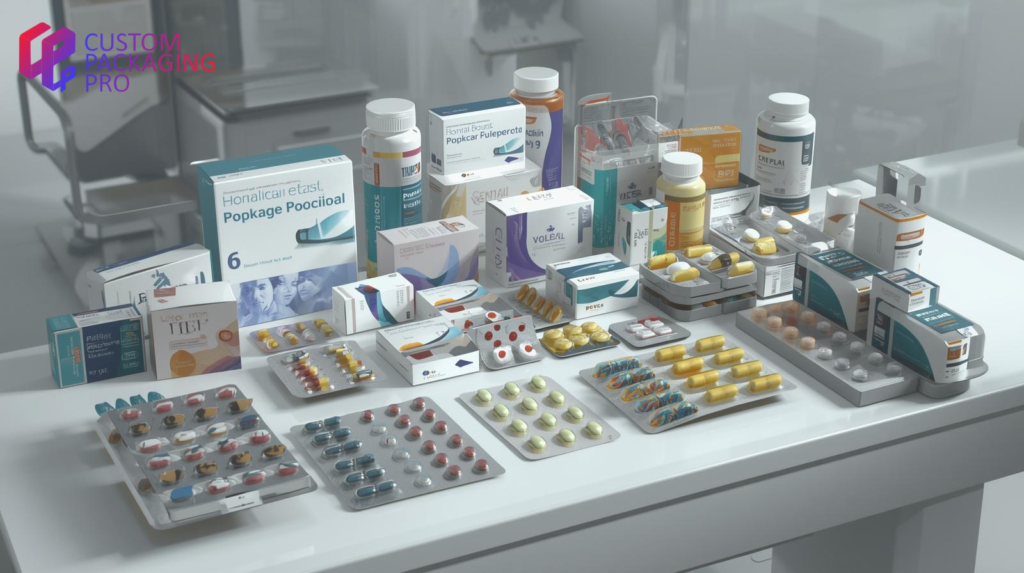

In 2026, pharma packaging plays a critical role in protecting pharmaceutical products, ensuring patient safety, and meeting strict regulatory standards. Packaging for pharmaceutical products is not only designed to contain medicines but also to preserve quality, prevent contamination, and provide accurate information to healthcare professionals and patients.
Across the UK, demand for pharma packaging solutions has increased due to growth in healthcare, medical research, and regulated drug distribution. From blister packs to printed pharma packaging and temperature-controlled systems, pharmaceutical packaging has become a vital part of the healthcare supply chain.
Importance of Pharma Packaging in the Pharmaceutical Industry
Pharmaceutical products require packaging that meets safety, hygiene, and compliance requirements. Pharmaceutical packaging protects medicines from moisture, light, air, and contamination while ensuring correct dosage and traceability.
Key roles of pharma packaging include:
-
Protects medicines from environmental damage
-
Ensures tamper-evident security
-
Supports patient safety and dosage accuracy
-
Meets good manufacturing practice (GMP) standards
-
Enables serialisation and product tracking
For companies working with pharma packaging UK providers, packaging becomes an essential part of regulatory compliance.
Types of Pharmaceutical Packaging Systems
Different medications require different medication packaging systems based on form, usage, and storage conditions.
Common pharma packaging systems include:
-
Blister Packaging in Pharma – Used for tablets and capsules
-
Plastic Bottles – Suitable for syrups, tablets, and capsules
-
Strip Packaging – Individual dose protection
-
Printed Pharma Boxes – Secondary packaging for branding and information
-
Temperature-Controlled Pharma Packaging – For sensitive medicines
Each packaging type ensures medicines remain safe throughout their shelf life.
Blister Packaging and Drug Safety
Blister packs are one of the most widely used pharmaceutical packaging products. They provide individual dose protection and reduce the risk of contamination.
Benefits of blister packaging include:
-
Clear visibility of medication
-
Protection from moisture and air
-
Improved patient compliance
-
Tamper-evident design
-
Easy tracking and serialisation
Blister packaging remains a preferred solution for pharmaceutical manufacturers worldwide.
Materials Used in Pharma Packaging
Material selection is crucial in packaging of drugs to ensure safety and durability. In 2026, pharma packaging focuses on high-quality and compliant materials.
| Material Type | Description | Common Use |
|---|---|---|
| Plastic Films | Flexible and protective | Blister packs |
| Aluminium Foils | Barrier against light & moisture | Blister packaging |
| Plastic Bottles | Secure and lightweight | Liquid & solid medicines |
| Cardboard Boxes | Secondary packaging | Printed pharma packaging |
| Tamper-Evident Seals | Security feature | Medicine packaging |
All materials must comply with pharmaceutical regulations and safety standards.
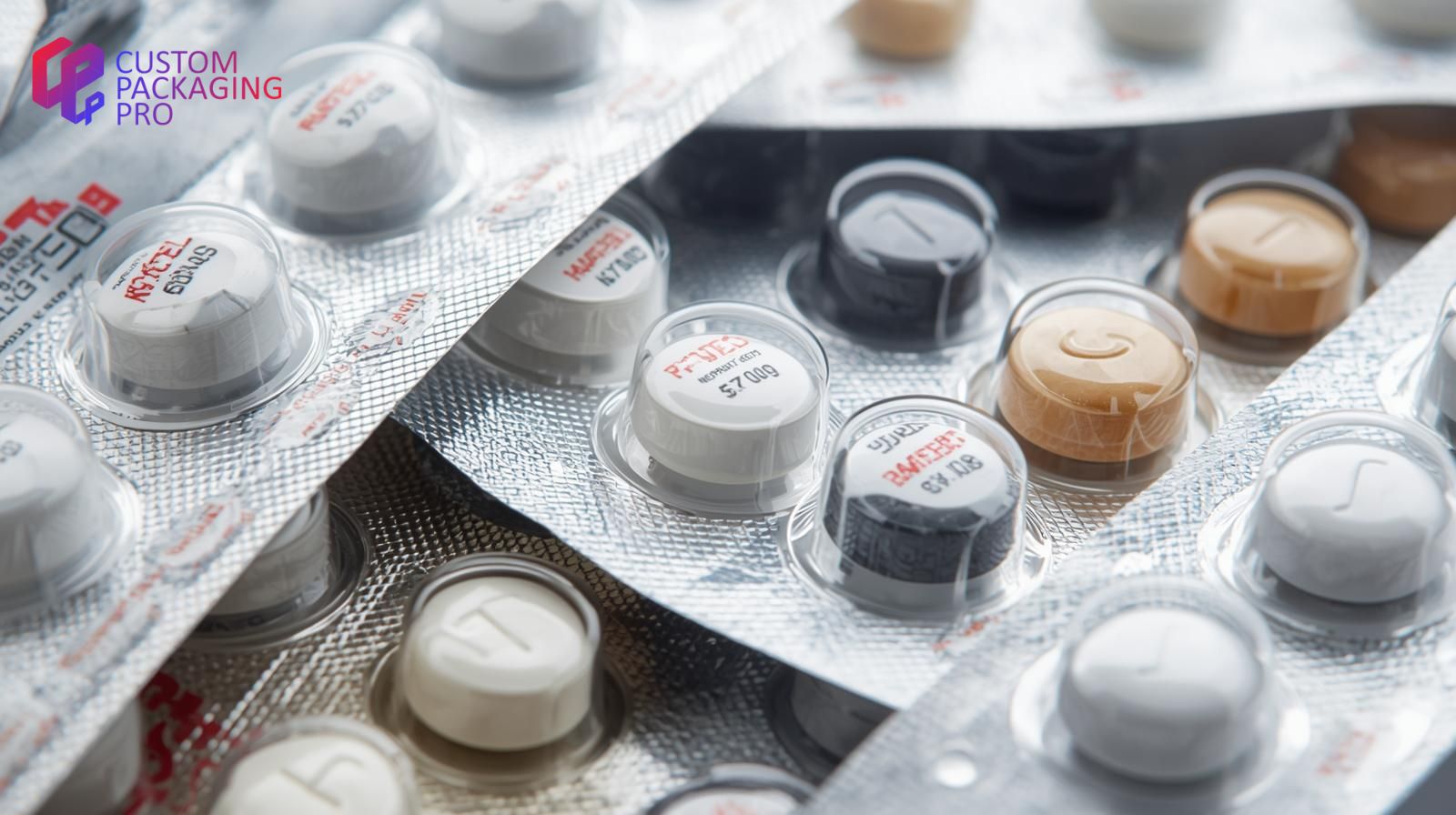
Pharma Packaging Design & Printing
Pharma packaging design focuses on clarity, safety, and compliance. Clear labeling is essential for correct medicine usage.
Key design elements include:
-
Clear dosage instructions
-
Batch numbers and expiry dates
-
Printed pharma packaging for brand identity
-
Serialisation for tracking and anti-counterfeiting
-
Multilingual information for UK and global markets
Printed packaging ensures both compliance and professional presentation.
Temperature-Controlled Packaging for Pharmaceuticals
Certain pharmaceutical products require controlled temperature during storage and transportation. Temperature-controlled pharma packaging ensures product stability.
Common applications include:
-
Vaccines
-
Biologics
-
Injectable medicines
-
Clinical trial supplies
These packaging solutions maintain consistent temperature and protect sensitive products.
Pharma Packaging Regulations and Compliance
Pharmaceutical packaging must meet strict regulations in the UK and globally. Good manufacturing practice (GMP) guidelines ensure safety and quality.
Key compliance factors include:
-
Tamper-evident features
-
Accurate labeling
-
Material safety approval
-
Traceability and serialisation
-
Secure packaging for distribution
Working with reliable packaging companies London helps pharmaceutical brands meet regulatory standards efficiently.
Customised Pharma Packaging Solutions in the UK
Many pharmaceutical companies require customised packaging boxes UK to meet specific product needs. Custom solutions improve efficiency and safety.
Benefits of customised pharma packaging:
-
Product-specific protection
-
Compliance with regulations
-
Improved logistics and storage
-
Clear branding and identification
Custom boxes with logo and printed pharma packaging are commonly used for secondary packaging.
Wholesale & Bulk Pharma Packaging
Ordering pharma packaging solutions in bulk helps manufacturers manage costs and maintain consistency.
Wholesale advantages include:
-
Cost-effective production
-
Consistent packaging quality
-
Reliable supply for large volumes
-
Faster turnaround times
Bulk packaging solutions are ideal for pharmaceutical manufacturers and distributors.
Final Thoughts
In 2026, pharma packaging remains a critical component of pharmaceutical safety, compliance, and efficiency. From blister packs and printed pharma boxes to temperature-controlled packaging systems, the right packaging protects medicines and ensures patient trust.
For pharmaceutical brands seeking reliable pharma packaging solutions, Custom Packaging Pro offers high-quality materials, customised packaging boxes, and wholesale solutions designed to meet UK healthcare standards with precision and care.
FAQs About Pharma Packaging
1. What is pharma packaging?
Pharma packaging refers to packaging systems used to protect, store, and distribute pharmaceutical products safely.
2. What is blister packaging in pharma?
Blister packaging is used for tablets and capsules, offering individual dose protection.
3. Is pharma packaging regulated in the UK?
Yes, pharmaceutical packaging must comply with GMP and UK healthcare regulations.
4. What materials are used in pharmaceutical packaging?
Common materials include plastic films, aluminium foils, plastic bottles, and cardboard boxes.
5. Can pharma packaging be customised?
Yes, customised pharma packaging solutions are widely available in the UK.