
In the diverse and demanding climate of Canada, from the humid summers of Southern Ontario to the frigid winters of the Prairies and the coastal dampness of British Columbia, the integrity of a home’s envelope is paramount. At the heart of this envelope—separating rooms, securing entries, and conserving energy—are our doors. For decades, the traditional method of installing a door involved a tedious, skill-intensive process of fitting a “slab” door into a existing frame. Today, however, a superior alternative has become the standard for new builds, renovations, and savvy DIYers across the country: the prehung door.
This comprehensive guide will explore why prehung doors have become a cornerstone of Canadian construction and renovation, detailing their benefits, key considerations for the Canadian market, and practical advice for selection and installation.
What Exactly is a Prehung Door?
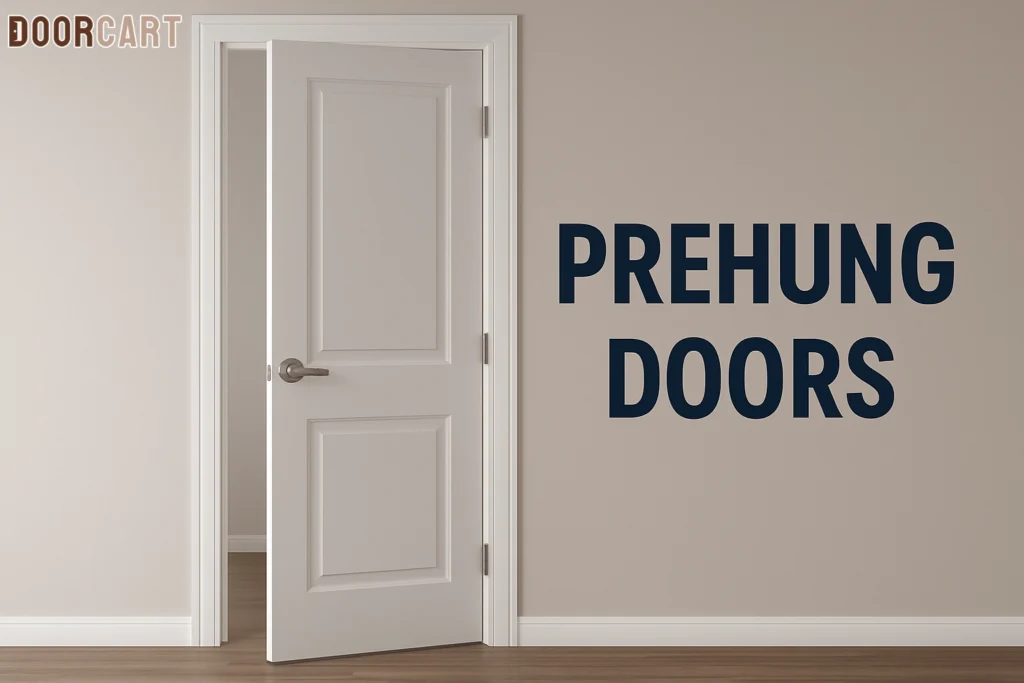
A prehung door is a complete door system purchased as a single, factory-assembled unit. It includes:
-
The Door Slab: The actual door itself, which may be solid core or hollow core.
-
The Frame (Jamb): The surrounding structure, typically made of wood, MDF, or steel, already meticulously joined at the corners.
-
The Hinges: Already mortised (recessed) and attached to both the door and the frame.
-
The Door Stop: The moulding that prevents the door from swinging through the frame.
-
Pre-Drilled Hardware Holes: For the latch and deadbolt, ensuring perfect alignment.
In essence, the most technically challenging aspects of door installation—ensuring the hinge mortises are perfectly deep, the frame is square, and the gaps are consistent—are completed in a controlled factory environment. The homeowner or contractor receives a package designed to be installed into a rough opening in the wall as a single unit.
Why Prehung Doors Dominate the Canadian Market
1. Superior Energy Efficiency and Weatherproofing
This is arguably the most critical advantage in Canada. Prehung exterior doors are almost always sold as prehung door systems that include an integrated thermal break and provisions for weather stripping. High-quality models feature:
-
Polyurethane Foam Core Insulation: Fills the interior of steel or fiber glass doors, dramatically increasing R-values and reducing heat transfer.
-
Magnetic or Compression Weather stripping: Integrated into the frame to create an airtight seal against drafts, snow, and rain.
-
Proper Thresholds and Sweeps: Designed to combat water infiltration and air leaks at the floor junction.
This factory-installed sealing is consistently more reliable than field-applied solutions, directly contributing to lower heating bills in winter and cooling costs in summer, aligning with Canada’s growing emphasis on home energy performance.
2. Ease and Speed of Installation
For the Canadian DIY enthusiast facing a short renovation season or the professional contractor on a tight schedule, prehung doors are a game-changer. Installing a prehung doors is fundamentally a simpler process than hanging a slab door. It involves setting the assembled unit into the rough opening, shimming it to be perfectly level and plumb, and securing it. This can often be accomplished in a few hours, compared to a full day or more for a skilled finish carpenter to build and hang a slab door properly. The time savings translate directly into labour cost reductions for professionals and increased project confidence for homeowners.
3. Professional Results, Regardless of Skill Level
The precision of factory machinery ensures that hinges are perfectly aligned, gaps around the door are even (typically 1/8″), and the frame is square. This leads to:
-
Smooth Operation: The door swings freely without sticking or binding.
-
Reliable Latching: The pre-drilled hardware holes ensure the latch and strike plate align correctly every time.
-
Aesthetic Consistency: Even gaps and a square installation give a clean, professional finish that is challenging to achieve consistently with slab doors.
4. Structural Integrity and Security
Exterior prehung door frames, especially those made of steel or reinforced wood, provide a robust structural element. The unified system, when properly installed and anchored, resists racking and twisting better than a field-assembled frame. Furthermore, the precise alignment is crucial for the effective operation of deadbolts and multi-point locking systems, a key security consideration for any homeowner.
5. Wide Availability and Choice
Canadian building supply centres (like Home Depot, Lowe’s Canada, and regional suppliers like Kent, Home Hardware, and RONA) and door specialists carry an extensive range of prehung options. Homeowners can choose from:
-
Materials: Steel (durable, secure, insulating), Fibreglass (excellent insulation, wood-grain aesthetics), Solid Wood (traditional, high-end), and MDF (paintable, stable interior option).
-
Styles: From classic six-panel designs to modern flush doors, with options for decorative glass inserts or sidelights.
-
Sizes: While standard heights (80″) and widths (30″, 32″, 36″) are readily available, many suppliers offer custom prehung doors to fit non-standard Canadian rough openings.
Key Considerations for Canadian Buyers
1. Interior vs. Exterior: The requirements differ drastically.
-
Exterior Doors: Must be rated for outside use. Look for insulated steel or fibreglass units with a Thermal Break in the frame to prevent condensation and frost build-up. Ensure they carry a rating from a recognized standards agency (e.g., indicating compliance with energy performance standards).
-
Interior Doors: Focus is on aesthetics, sound dampening, and cost. Solid core prehung doors offer better sound insulation and a heavier feel, while hollow core doors are economical and lightweight.
2. Climate Zone Specifics:
-
Prairie Provinces (AB, SK, MB): Prioritize doors with the highest insulation values (R-value) to combat extreme cold. Steel or fibreglass with polyurethane foam cores are ideal.
-
Coastal Regions (BC): Resistance to moisture, swelling, and rot is key. Fibreglass and properly sealed wood doors perform well in high humidity. Ensure weatherstripping is robust.
-
Central Canada (ON, QC): Must handle both high humidity in summer and cold winters. Look for versatile, well-insulated systems with effective year-round seals.
3. Building Codes and Standards: Always ensure your exterior door purchase complies with local building codes, which in Canada often reference national standards for energy efficiency (like ENERGY STAR® qualifications), safety, and fire ratings (for doors leading from a garage into a house, for example).
4. Professional Installation vs. DIY: While DIY-friendly, installing a prehung exterior door is a significant task. It requires careful attention to flashing, waterproofing, and ensuring a perfectly plumb and level installation to guarantee performance. For exterior doors, especially main entries, many Canadians opt for professional installation to validate warranties and ensure long-term, trouble-free performance. Interior prehung doors are an excellent DIY project for those with moderate skills.
The Installation Process: A Snapshot
A typical installation involves:
-
Careful Removal of the old door and frame.
-
Preparing the Rough Opening to the exact size specified for the new unit.
-
Dry-Fitting the prehung unit to check for fit.
-
Applying Caulk and Flashing Tape to the sill and rough opening to manage moisture—a critical step in Canadian weather.
-
Setting the Door, using shims to achieve perfect plumb, level, and square alignment while securing the frame to the wall studs.
-
Insulating the gaps between the frame and rough opening with low-expansion spray foam.
-
Installing Trim (casing) on both sides and adding final hardware (knobs, locks).
Conclusion: A Smart Investment for the Canadian Home
The prehung door is more than just a convenience; it is a technologically advanced building component engineered to meet the specific challenges of the Canadian environment. It offers a compelling combination of energy efficiency, ease of installation, and professional quality that slab doors simply cannot match consistently.
Whether you’re building a new energy-efficient home in Calgary, renovating a century-old house in Halifax, or simply updating the bedrooms in a Toronto condo, specifying prehung doors is a decision that pays dividends in comfort, performance, and long-term value. By understanding the options and selecting the right door system for your region and application, you are investing in the durability, efficiency, and beauty of your Canadian home for years to come. Visit your local building supply centre or door specialist to explore the vast array of prehung doors designed to stand up to Canadian seasons.