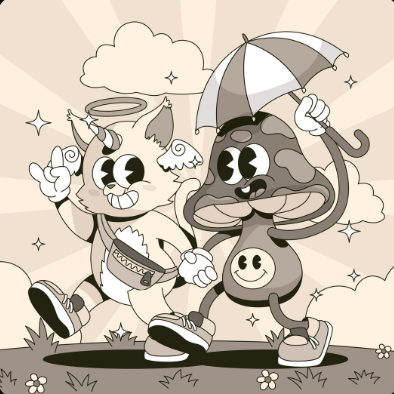

If you have ever laughed at a character’s big eyes, instantly understood a brand mascot, or felt a story “click” because the visuals were friendly and clear, you already get the power of cartoon art. It is simple on the surface, but it can carry serious meaning—like a postcard that somehow fits a whole vacation into one small picture.
In this guide, we will break down what cartoon-style artwork is, where it works best, and how we can plan it so it looks professional, consistent, and ready for real-world use. We will also cover quality signals that matter for EEAT (experience, expertise, authoritativeness, and trust), because style is fun—but reliability is what keeps clients and readers coming back.
What Are Cartoon Illustrations (and What They Are Not)?
Cartoon Illustrations are stylized drawings that simplify reality while keeping emotions readable. Think of them like a “clear voice” in a noisy room: fewer details, stronger shapes, and expressions that land fast.
Key traits that define Cartoon Illustrations
- Strong silhouettes and clean shapes
- Exaggerated facial expressions and gestures
- Simplified shading and textures
- Consistent visual rules (proportions, line weight, color palette)
What Cartoon Illustrations are not
Cartoon Illustrations are not “low effort.” The best ones are designed carefully. Every line is a choice, and every choice affects clarity, tone, and brand fit.
Why Cartoon Illustrations Work So Well in Modern Content
Cartoon Illustrations are like a shortcut for the brain. They reduce visual noise, so the message arrives faster. That is why they show up everywhere—from blog headers to product explainers.
They improve clarity
When a concept is complex, Cartoon Illustrations can act like a map. Instead of forcing the audience to read a wall of text, we guide them with visuals that show what matters.
They build emotional connection
A realistic photo can feel distant. Cartoon Illustrations, on the other hand, feel like a friendly narrator. They can be playful, calm, bold, or comforting—without needing perfect lighting or a studio.
They support brand recognition
If we keep style consistent, Cartoon Illustrations become a visual signature. Over time, people recognize the “look” before they even read the headline.
Common Types of Cartoon Illustrations (Pick the Right One)
Not all Cartoon Illustrations are the same. Choosing the wrong style is like wearing formal shoes to the beach—technically fine, but it feels off.
Character-based Cartoon Illustrations
These focus on mascots, heroes, or recurring characters. They are perfect for:
- Brand storytelling
- Social media series
- Educational content
Best practice
Create a character sheet (poses, expressions, outfits) so Cartoon Illustrations stay consistent across teams and platforms.
Scene-based Cartoon Illustrations
These show environments, actions, and context. They work well for:
- Blog visuals
- Landing pages
- App onboarding
Icon-style Cartoon Illustrations
These are small, simple, and functional. They help with:
- UI/UX
- Feature lists
- Infographics
Where Cartoon Illustrations Are Used (and Why They Convert)
Cartoon Illustrations are not only for entertainment. They are used because they perform.
Websites and landing pages
Cartoon Illustrations can explain what a service does in seconds. When users understand faster, they hesitate less.
Marketing and ads
Cartoon Illustrations can highlight one idea without distractions. In ad creative, that focus is gold.
Education and training
Cartoon Illustrations make learning feel lighter. They can turn “hard topics” into step-by-step visuals.
Packaging and product design
Cartoon Illustrations can make a product feel approachable and memorable, especially in crowded categories.
How to Choose a Cartoon Illustrations Service Without Regret
Hiring a Cartoon Illustrations service is not just about getting “a nice drawing.” It is about getting a repeatable system: consistent style, clear files, and usage rights that protect everyone.
Check experience and process (EEAT basics)
We should look for:
- A portfolio with similar use cases (books, web, ads)
- A clear workflow (brief → sketches → revisions → final files)
- Transparent timelines and revision limits
Ask about deliverables
A professional Cartoon Illustrations service should provide:
- High-resolution PNG/JPG
- Editable source files (AI/PSD/SVG, if needed)
- Print-ready formats (CMYK) when required
- Licensing terms in writing
Watch for style inconsistency
If a portfolio looks like ten different artists, it may be a reseller. For Cartoon Illustrations, consistency is the whole point.
Cartoon Illustrations for Children’s Books: What Actually Matters
Children’s publishing is a special case. Kids notice patterns, and they love familiar visual rules. That means Cartoon Illustrations must be consistent, readable, and emotionally clear.
Working with Childrens Book Experts
Childrens Book Experts understand pacing, page turns, age-appropriate detail, and how images support early reading. They also know the production side—bleeds, trim sizes, and how colors print.
A quick reality check
A beautiful image that does not fit the page layout can become expensive to fix later. Planning early saves money and stress.
How to Illustrate a Children’s Book (a practical workflow)
How to Illustrate a Children’s Book usually follows a predictable path:
- Story and target age definition
- Character design and style frames
- Thumbnail sketches for each spread
- Clean line art and color tests
- Final art + print/export preparation
This workflow helps Cartoon Illustrations stay consistent from page 1 to page 32.
Quality Signals: What Makes Cartoon Illustrations Look “Pro”?
Cartoon Illustrations can look amateur when the basics are ignored. The good news? The basics are learnable.
Line quality and shape language
Strong Cartoon Illustrations use confident strokes and repeatable shapes. If the line weight changes randomly, the viewer feels it—even if they cannot explain it.
Color discipline
Pick a palette and stick to it. Cartoon Illustrations look more “brand-ready” when colors are controlled, not chaotic.
Consistency across assets
If we create a set (characters, icons, scenes), we need rules:
- Same lighting direction
- Same shadow style
- Same proportions
Think of it like a band: every instrument can be different, but they must play in the same key.
SEO Notes: How to Publish Cartoon Illustrations Content That Ranks
If we want Cartoon Illustrations content to perform in search, we should treat it like a helpful resource, not a keyword dump.
On-page structure that helps readers (and Google)
- Use one clear H1 and logical H2/H3/H4 sections
- Add descriptive image alt text (what the image shows)
- Include internal links to related guides
EEAT-friendly content signals
- Show real process steps and decision points
- Mention deliverables, licensing, and production details
- Avoid vague claims; be specific about outcomes
Conclusion
Cartoon Illustrations are more than a fun art style—they are a communication tool. When we plan the style, keep rules consistent, and match the visuals to the audience, we get artwork that explains faster, feels friendlier, and supports real business goals. Whether we are building a brand identity, improving a landing page, or planning a children’s book, the best results come from a clear process and professional standards.
FAQs
1) Are Cartoon Illustrations only for kids?
No. Cartoon Illustrations are used in SaaS onboarding, marketing, education, and brand design because they simplify ideas and build recognition.
2) How much detail should Cartoon Illustrations include?
Enough to support the message, but not so much that it slows understanding. The goal is clarity first.
3) What files should we request from an illustrator?
At minimum: high-res PNG/JPG. For long-term use, ask for editable source files and clear licensing terms.
4) How do we keep Cartoon Illustrations consistent across a project?
Use a style guide: line weight rules, color palette, character sheets, and example scenes.
5) Can Cartoon Illustrations help SEO?
Indirectly, yes. Cartoon Illustrations can improve engagement, time on page, and sharing—signals that often support stronger organic performance.
For More Information You can Visit the Home page for the website: https://hyperoartian.com/